
Amazon Flex College Student Guide 2026: Balance School & Earnings
College is expensive, and traditional part-time jobs rarely accommodate unpredictable class schedules, study sessions, and exam weeks. Amazon Flex offers a compelling alternative: earn money on your terms, work when it fits your schedule, and never worry about shift conflicts with classes. This guide shows college students how to successfully balance Flex driving with academic success in 2026.
Table of Contents
- 1. Why Flex Works for Students
- 2. Getting Started as a Student
- 3. Integrating with Class Schedules
- 4. Optimal Work Times for Students
- 5. Protecting Academic Priorities
- 6. Vehicle Considerations
- 7. Financial Planning for Students
- 8. Financial Aid Impact
- 9. Semester vs Break Strategies
- 10. Balancing Campus Life
- 11. Tax Basics for Student Drivers
- 12. Long-Term Perspective
As an Amazon Associate, we earn from qualifying purchases.
Budget-Friendly Student Driver Gear
- iOttie Easy One Touch Car Mount - Essential phone mount for navigation
- Anker PowerCore 20000mAh - Keep your phone charged between classes
- Anker USB-C Car Charger - Fast charging on a student budget
- GearLight LED Flashlight (2-Pack) - Affordable essential for night blocks
1. Why Flex Works for Students

Traditional college jobs—retail, food service, campus positions—require committing to fixed schedules that inevitably conflict with classes, study groups, or exam prep. Amazon Flex eliminates this fundamental problem.
True Schedule Flexibility
With Flex, you work when blocks are available and you choose to take them. No manager creates your schedule. If you have a Tuesday/Thursday class schedule with MWF open, work those days. If next semester changes everything, adjust instantly.
No Shift Swapping Drama
When exams hit, you don't need to beg coworkers to cover shifts. Simply don't claim blocks during exam week. Your schedule is entirely in your control without affecting anyone else.
Competitive Pay
At $18-25+ per hour in most markets, Flex pays significantly more than typical student jobs paying $10-15/hour. Working fewer hours for the same money leaves more time for studying and campus activities.
Immediate Earnings
Many Flex payments are available within 24 hours through Instant Pay. When you need money for textbooks or unexpected expenses, you can work a few blocks and access the cash quickly.
Student Reality
A student working 12 hours weekly on Flex at $22/hour earns roughly $264/week—often matching or exceeding classmates working 20+ hours at campus jobs for less per hour.
2. Getting Started as a Student
Before diving in, ensure you meet requirements and set yourself up for success from the start.
Basic Requirements
- Age 21 or older (no exceptions)
- Valid driver's license
- Social Security number
- Eligible vehicle (4-door sedan or larger for most blocks)
- Valid auto insurance
- Smartphone (iPhone or Android)
- Pass background check
The Age 21 Requirement
If you're under 21, you cannot drive for Amazon Flex regardless of other qualifications. Consider alternatives like DoorDash (18+) or Instacart (18+) until you reach 21, then add Flex for better pay.
Application Process
Download the Amazon Flex app and complete the application. Background checks typically take 2-5 days. Some markets have waitlists—apply early if possible. Once approved, complete any required training videos and start claiming blocks.
Timing Your Start
Consider starting during summer or a break when you have time to learn without academic pressure. Understanding the app, routes, and delivery process takes several weeks of practice. Starting mid-semester adds stress.
Student Checklist Before Starting
- [ ] Confirm you're 21 or older
- [ ] Secure reliable vehicle access
- [ ] Verify insurance coverage
- [ ] Download and apply on Amazon Flex app
- [ ] Map nearest Amazon warehouses to campus
- [ ] Plan realistic weekly hour commitment
3. Integrating with Class Schedules

Success as a student driver requires thoughtful integration of Flex work into your academic schedule—not the other way around.
Map Your Class Schedule First
Before each semester, identify all potential Flex windows. Block out classes, labs, required study sessions, and recurring commitments. What remains are potential work windows—but not all should be used.
Leave Buffer Time
Don't schedule blocks immediately before or after classes. Traffic delays, extended routes, or other issues can make you late for class or miss it entirely. Leave at least 1-2 hours buffer between block end times and class starts.
Protect Study Time
Designate specific study hours that you treat as non-negotiable—as important as class time. Don't let the temptation of available blocks erode these hours. Your degree is the primary goal; Flex is supplementary.
Sample Student Schedule
| Day | Morning | Afternoon | Evening |
| Mon | Classes | Flex Block | Study |
| Tue | Flex Block | Classes | Study |
| Wed | Classes | Study | Free |
| Thu | Flex Block | Classes | Study |
| Fri | Classes | Flex Block | Free |
| Sat | Flex Block | Free | Free |
Example: 5 blocks/week = ~20 hours = ~$400-500/week
4. Optimal Work Times for Students
Certain times work better for student drivers than others. Strategic timing maximizes earnings while protecting academic performance.
Weekend Mornings
Saturday and Sunday mornings are prime student work windows. Campus activities typically happen afternoons/evenings, and you're likely not studying at 7 AM on Saturday. Morning blocks finish before weekend social activities begin.
MWF Gaps (for T/Th Classes)
Students with Tuesday/Thursday class schedules have Monday, Wednesday, and Friday largely open. These midweek blocks often have less competition than weekends while avoiding class conflicts.
Early Morning Blocks
5-8 AM blocks finish before most classes start and often pay premiums due to lower driver availability. Early risers can earn significant money before classmates wake up.
Avoid Late Nights Before Classes
Working until 10 PM then having an 8 AM class is unsustainable. Fatigue hurts academic performance and driving safety. Reserve late blocks for days without early obligations.
Pro Tip
Learn your body's rhythm. Some students perform best academically in mornings, making afternoon Flex ideal. Others are night owls who struggle with early classes—these students might prefer early Flex blocks followed by afternoon study.
5. Protecting Academic Priorities

Your primary job in college is being a student. Flex is a tool to fund that education, not replace it. Keep academics first with these strategies.
Set Weekly Hour Limits
Decide on a maximum weekly work limit and stick to it. For most students taking full course loads, 15-20 hours weekly is sustainable. More than that typically hurts grades.
Create No-Work Zones
Identify times when work is absolutely off-limits: exam weeks, major project deadlines, presentation days. Block these in your calendar at semester start and never claim blocks during these periods.
Grade Monitoring
If grades start slipping, immediately reduce Flex hours. No amount of earned income compensates for a failed class, lost scholarship, or extended graduation timeline. React quickly to academic warning signs.
Sleep Prioritization
Sleep deprivation destroys both academic performance and driving safety. Maintain consistent sleep schedules even when blocks are temptingly available. Tired driving is dangerous driving.
Critical Reminder
If you're driving for Amazon Flex and struggling academically, reduce work hours immediately. A degree typically provides far more lifetime earnings than any money made during college. Protect the investment.
6. Vehicle Considerations
Many students don't own vehicles, creating unique challenges for Flex work. Here are your options.
Using Family Vehicle
If parents are willing to let you use a family car, ensure you're listed on their insurance and have clear agreements about gas, maintenance, and wear. Document the arrangement to avoid conflicts.
Buying a Car for Flex
If considering purchasing a vehicle specifically for Flex, run the numbers carefully. Monthly payment + insurance + gas + maintenance must be significantly less than projected earnings. A $350/month car payment requires earning at least $500/month just to break even.
Vehicle Requirements
Standard Flex Logistics requires a 4-door, mid-size sedan or larger (1997 or newer). Some smaller cars qualify for Prime Now or Fresh deliveries in certain markets. Check your market's specific requirements.
Parking Considerations
Campus parking permits and regulations affect feasibility. If parking is expensive or restricted, you may need to park off-campus and plan blocks around vehicle access.
Student Vehicle Decision Matrix
- Family car available: Best option if parents agree; minimal additional costs
- Already own reliable car: Good to proceed; factor in added wear
- Need to buy car: Proceed cautiously; ensure positive cash flow after all expenses
- No vehicle access: Consider other gig work (food delivery by bike, Instacart shopping) until vehicle available
7. Financial Planning for Students
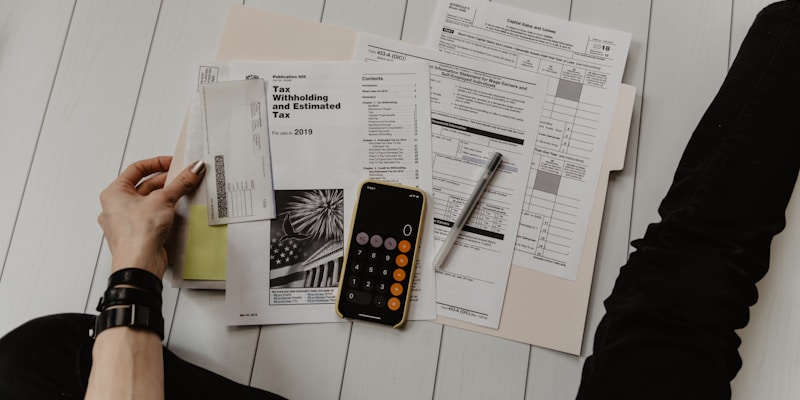
Smart financial management turns Flex earnings into meaningful support for your education and lifestyle.
Create a Student Budget
Track essential expenses: rent, food, books, transportation, phone, and entertainment. Determine minimum monthly needs, then calculate how many Flex hours cover these basics.
Build an Emergency Fund
Before discretionary spending, save 1-2 months of expenses as emergency buffer. This protects against car repairs, unexpected costs, or slow earning periods without derailing your semester.
Expense Tracking
Track all Flex-related expenses from day one: gas, car washes, phone data, and maintenance. These are tax-deductible and knowing actual costs helps calculate true earnings.
Reduce Student Debt
Consider using Flex earnings to reduce borrowing rather than increase lifestyle. Every dollar you earn that offsets student loans saves significant interest over time. Future you will appreciate the restraint.
Smart Money Move
Calculate: if Flex earnings allow you to borrow $3,000 less annually in student loans, you save roughly $1,000+ in interest over a 10-year repayment period. That's real money earned from working now.
8. Financial Aid Impact
Understanding how Flex income affects financial aid helps you make informed decisions about how much to work.
FAFSA Income Reporting
Student income is reported on FAFSA and affects need-based aid calculations. In 2026, students can earn approximately $7,040 before income reduces aid. Above this threshold, need-based aid decreases by about 50 cents for each additional dollar earned.
Running the Numbers
If you earn $10,000 from Flex, the amount over the protected threshold ($10,000 - $7,040 = $2,960) could reduce need-based aid by about $1,480. You still come out ahead by $1,480 plus the experience and flexibility gained.
Merit Aid Typically Unaffected
Scholarships based on academic performance, athletics, or specific criteria usually aren't affected by work income. Check your specific scholarship terms, but merit aid generally remains stable.
Consult Financial Aid Office
Your school's financial aid office can run specific scenarios based on your aid package. Before significantly increasing work hours, get personalized guidance on the aid impact.
General Guidance
Working while in college is almost always financially beneficial, even with aid reduction. You keep most of what you earn, gain valuable experience, and reduce reliance on loans. The "tax" on earnings above the protected amount is 50%—which means you still keep 50% plus stay under the threshold for free.
9. Semester vs Break Strategies

Your Flex approach should shift dramatically between academic semesters and breaks.
During Semester
- Work 10-20 hours weekly maximum
- Focus on weekends and natural schedule gaps
- Reduce hours during heavy assignment periods
- Complete stop during finals week
- Prioritize academics in every scheduling decision
Summer Break
Summer offers 3+ months to work significantly more hours. Many students treat summer Flex work like a full-time job, working 30-40 hours weekly. This builds savings for the academic year while developing delivery efficiency.
Winter Break
December/January break coincides with peak delivery season. Surge pricing and abundant blocks create excellent earning opportunities. If you can work during this period, holiday earnings can fund an entire semester's discretionary expenses.
Spring Break
A single week, but potentially valuable. If you're not traveling, a focused spring break work week generates extra money. Alternatively, use the break for genuine rest before the semester's final push.
Break Earnings Potential
A student working 35 hours weekly during a 3-month summer at $22/hour earns roughly $10,000. This can cover significant portions of annual expenses, dramatically reducing loan needs.
10. Balancing Campus Life
College offers unique social and developmental opportunities that don't return after graduation. Don't let Flex work eliminate these experiences.
Protect Social Time
College relationships and experiences have lifelong value. Schedule specific social times that are work-free. Missing every party and campus event for extra blocks isn't worth the trade-off.
Clubs and Activities
Extracurricular involvement builds skills and networks valuable for your career. Don't sacrifice meaningful activities for marginal extra income. Balance creates well-rounded graduates.
Self-Care
Exercise, adequate sleep, and downtime aren't luxuries—they're essential for sustainable performance in both academics and work. Burnout from overwork can derail an entire semester.
Saying No to Blocks
Practice declining available blocks without guilt. Just because work is available doesn't mean you should take it. Your comprehensive college experience matters more than maximizing every possible hour.
11. Tax Basics for Student Drivers

As an independent contractor, you're responsible for your own taxes. Understanding basics prevents surprises and maximizes your actual take-home pay.
Self-Employment Tax
You'll owe approximately 15.3% self-employment tax (Social Security and Medicare) on net Flex earnings. This applies even if you don't owe regular income tax.
Income Tax
Many students fall below income tax thresholds due to standard deduction ($14,600 single in 2026) and education credits. However, self-employment tax still applies.
Deductible Expenses
Track and deduct business expenses:
- Mileage (67 cents/mile in 2026) or actual vehicle expenses
- Phone costs (business use percentage)
- Delivery bags, phone mounts, other equipment
- Car washes, parking during deliveries
Save for Taxes
Set aside 20-25% of gross earnings for taxes. Open a separate savings account for tax reserves. Owing $800 at tax time without savings is stressful and avoidable.
Tax Tip
Free tax filing software (IRS Free File, Cash App Taxes) handles self-employment income. Use Schedule C for business income and Schedule SE for self-employment tax. It's not as complicated as it sounds.
12. Long-Term Perspective
Flex is likely a temporary part of your journey. Keep the bigger picture in mind while using it strategically during college.
Building Transferable Skills
Flex develops time management, customer service, navigation, and problem-solving skills. These transfer to any career. Frame the experience positively on resumes and in interviews.
Degree First
Never forget: your degree typically provides vastly more lifetime earnings than gig work. A delayed graduation or poor GPA affecting job prospects costs far more than any Flex earnings gained.
Exit Planning
Most students use Flex temporarily. As you approach graduation, shift focus to career preparation, internships, and job searching. Flex provides flexibility to transition smoothly into post-graduation life.
The Experience Value
Beyond money, Flex teaches self-discipline, financial independence, and hustle mentality. These lessons serve you throughout your career regardless of your field.
The Student Driver Mindset
Use Flex as a tool—not a distraction. It funds your education, provides flexibility traditional jobs can't match, and builds character. But your primary investment is in yourself through education. Keep that priority clear.
Frequently Asked Questions
Is Amazon Flex good for college students?
Amazon Flex can be excellent for college students due to its flexible scheduling—no set hours or shifts. You can work between classes, on weekends, or during breaks. However, you need a reliable vehicle meeting Amazon's requirements, valid driver's license, and ability to manage your schedule responsibly without letting work harm academics.
How many hours should college students work Amazon Flex?
Most successful student drivers work 10-20 hours weekly during the semester, focusing on weekends and gaps between classes. During finals and heavy coursework periods, reduce or pause entirely. Summer and winter breaks offer opportunities to work more—up to 30-40 hours weekly—to build savings for the semester.
Can I use my parents' car for Amazon Flex as a student?
Yes, you can use a parent's car for Amazon Flex if you have permission and meet insurance requirements. You'll need to be listed on the insurance policy as a driver. The vehicle must meet Amazon's requirements (4-door, mid-size or larger for most deliveries). Discuss wear, gas costs, and maintenance responsibilities with your parents beforehand.
Will Amazon Flex earnings affect my financial aid?
Amazon Flex earnings count as income and must be reported on FAFSA. Student earnings over $7,040 (2026 threshold) can reduce need-based aid by 50 cents per dollar over that amount. However, working is still usually worthwhile—you keep most of what you earn and reduce student debt. Consult your financial aid office for personalized guidance.
Fund Your Education
Balance academics and earnings with our comprehensive Amazon Flex guides for students.

About Glen Meade
Founder of FlexDriverGuide and SideQuestHustle.com. I've spent years researching gig economy platforms and interviewing hundreds of drivers to bring you strategies that actually work. My goal is to help you maximize your earnings while avoiding common pitfalls.