Amazon Flex Large Package Delivery Guide 2026: Heavy Item Strategies
Master the art of handling oversized and heavy packages with proven techniques for safe loading, efficient delivery, and protecting your body during demanding routes.

Table of Contents
1. Understanding Large Package Routes

Large package routes represent a specialized subset of Amazon Flex deliveries. These routes typically include fewer stops than standard package routes but feature items that require additional handling considerations. Understanding what you're signing up for helps you prepare appropriately and complete routes efficiently.
Amazon categorizes oversized packages based on dimensions and weight. Items exceeding standard box sizes or approaching the 50-pound weight limit receive special handling designations. These packages often include furniture, appliances, fitness equipment, outdoor items, and large electronics that require careful transport and delivery.
Large package blocks typically offer higher pay rates to compensate for the additional physical demands and vehicle requirements. While package counts may be lower, the time spent loading, unloading, and carefully placing items often equals or exceeds standard route duration. The trade-off is fewer stops but more demanding individual deliveries.
Not all drivers receive large package route offers. Amazon's system considers vehicle type and driver history when assigning oversized routes. Larger vehicles like SUVs and minivans have better access to these higher-paying but more demanding blocks. Building a track record of successfully completing oversized deliveries can increase future assignment opportunities.
2. Vehicle Preparation
Preparing your vehicle for large package routes begins with cargo space optimization. Remove all unnecessary items from your vehicle's cargo area to maximize available space. Fold down rear seats completely and remove headrests if they interfere with loading tall items. Every cubic foot of cargo space matters when accommodating oversized items.
Consider your vehicle's weight capacity. The owner's manual specifies maximum cargo weight, and exceeding this limit affects handling, braking, and suspension wear. While staying under limits, position heavy items low and centered for optimal weight distribution. Uneven weight loading affects vehicle stability during turns and stops.
Install rubber cargo mats or liners to protect your vehicle interior from package damage. Large items can scratch, dent, or soil surfaces during transport. Quality cargo protection prevents costly interior repairs while keeping packages clean and undamaged for customer delivery.
Check that your suspension is in good condition before regularly accepting heavy routes. Worn shocks or springs struggle under heavy loads, affecting safety and ride comfort. Proper tire inflation is especially important when carrying heavy cargo—underinflated tires with heavy loads overheat and risk blowouts.
3. Strategic Loading Techniques
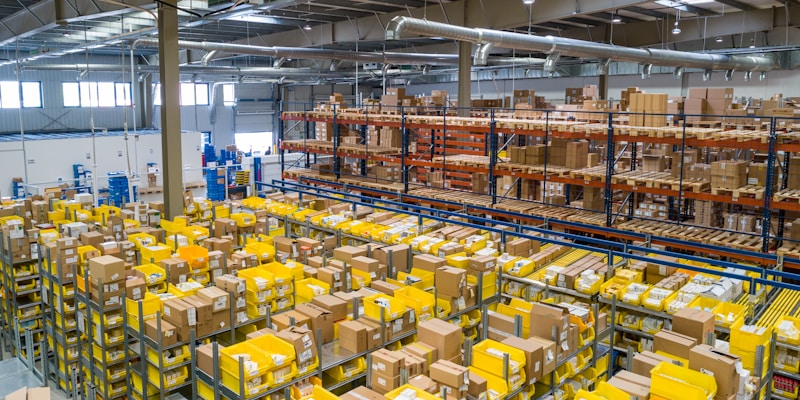
Loading order significantly impacts delivery efficiency. Review your route before loading and arrange packages in reverse delivery order—first stops accessible last, final stops loaded first. This organization prevents rearranging cargo mid-route and enables quick access to each delivery's packages.
Place the heaviest items at the bottom and toward the vehicle's center of gravity. Stacking lighter items on heavy foundations creates stable loads that resist shifting during transport. Never stack fragile items under heavy packages regardless of what appears to fit—crushed items mean returns and customer complaints.
Use vehicle anchor points and cargo straps to secure large items. Unsecured heavy items become dangerous projectiles during hard braking or accidents. Many vehicles have floor-mounted tie-down hooks specifically for cargo security. Invest in quality ratchet straps for reliable load restraint.
Leave yourself access paths to reach items throughout your route. Loading too tightly may maximize space initially but creates struggles accessing items for delivery. Balance space efficiency with practical access needs. Consider which items you'll need to move to reach others during the route.
4. Lifting and Safety Practices
Proper lifting technique prevents injuries that could sideline your earning ability for weeks or months. Always bend at the knees rather than the waist, keeping your back straight and using leg muscles to power the lift. This fundamental technique applies whether lifting 10-pound boxes or 50-pound equipment.
Test package weight before committing to a full lift. Grip the package firmly and lift slightly to gauge weight, then adjust your stance and technique accordingly. Unexpectedly heavy packages cause injuries when drivers attempt lifts with insufficient preparation. Know what you're lifting before you lift it.
Keep packages close to your body throughout the lift and carry. Extended arms multiply effective weight and strain on your back. Hugging packages to your torso distributes weight more safely. Avoid twisting while carrying—turn your entire body rather than rotating at the waist.
Know your limits and don't hesitate to set packages down for rest breaks. Fatigue increases injury risk, and pushing through exhaustion invites accidents. Taking an extra minute to rest protects your ability to continue working. No single delivery is worth a back injury that ends your Flex career.
5. Route Planning Considerations

Large package routes require more careful route planning than standard deliveries. Preview addresses to identify potential challenges—apartment buildings, gated communities, or addresses with long driveways. Understanding what awaits helps you allocate time appropriately and approach each delivery prepared.
Consider delivery order based on package handling demands, not just distance efficiency. Front-loading difficult deliveries when you're fresh may be wiser than saving challenging stops for the end when fatigue has accumulated. Heavy apartment deliveries requiring multiple trips up stairs are harder after hours of physical work.
Factor in additional time for large item deliveries. Standard package deliveries might take 2-3 minutes per stop, but oversized items often require 5-10 minutes including careful unloading, transport to doors, and proper placement. Build this extra time into your mental schedule to avoid rushing and risking injury.
Weather conditions affect large package handling more significantly than small packages. Wind makes carrying large, lightweight items difficult. Rain creates slipping hazards when carrying heavy loads. Adjust your approach based on conditions, even if it means slower completion.
6. Delivery Techniques
Approaching delivery locations requires reconnaissance. Before unloading, assess the path from vehicle to delivery point. Look for obstacles, steps, uneven surfaces, or narrow passages that affect your carrying route. This advance planning prevents struggles while already carrying heavy items.
Position your vehicle for optimal access. Park as close as safely possible to the delivery destination, even if it means extra maneuvering. Every foot of carrying distance with heavy items adds fatigue and injury risk. Don't be lazy about parking positioning—take time to park smart.
Use two-stage delivery for very heavy items. First, move the item from vehicle to a midpoint like the curb or driveway end. Catch your breath, then complete delivery to the door. This approach prevents exhaustion from trying to complete long carries in one push.
Photograph large package placements carefully. Position items against damage from weather and visibility from the street (to deter theft). Take clear photos showing item placement and any delivery notes. Large items are expensive—protect yourself with documentation proving proper delivery.
7. Apartment and Stairs Challenges

Apartment deliveries with large packages present the most challenging scenarios in Flex delivery work. Upper-floor units without elevators can require carrying 50-pound items up multiple flights of stairs. Assess these situations carefully and proceed only when safely manageable.
For elevator-equipped buildings, identify freight or service elevators designed for large items. Standard passenger elevators may not accommodate oversized packages. Ring building management or ask residents about freight elevator access to avoid struggling with items that don't fit standard elevators.
On stairs, take your time and maintain three points of contact when possible. Heavy items affect your balance—rushing creates falling risks that could cause serious injury. Rest at landings between floors. If an item feels genuinely unsafe to carry up stairs, it's better to contact support than risk injury.
Consider alternative placement options for ground-floor delivery when upper-floor access is problematic. Some apartments have package rooms or concierge services that accept large items. Communicate with customers about challenges—many appreciate honesty and can meet you or suggest alternatives.
8. Essential Equipment and Tools
A quality hand truck or dolly transforms heavy package deliveries. Collapsible models fit in vehicle cargo areas without consuming excessive space. The upfront investment of $50-100 saves your back and dramatically increases delivery speed for heavy items. This tool pays for itself in reduced physical strain and faster routes.
Work gloves provide grip and hand protection when handling heavy or awkwardly-shaped items. Rough packaging, splintered wooden crates, and sharp box edges can cut unprotected hands. Quality gloves with good grip surfaces make carrying easier and safer.
A moving blanket or furniture pad protects both your vehicle and packages during transport. Wrap delicate items or place blankets between items that might scratch each other. These pads also provide cushioning when sliding heavy items across your cargo floor.
Ratchet straps and bungee cords secure loads during transport. Heavy items shifting during driving create handling problems and potential safety hazards. Quality cargo restraints keep everything stable. Carry multiple sizes to accommodate various package dimensions and anchor points.
9. Customer Communication

Large package customers often have specific placement preferences. Communicate arrival to ask about preferred delivery locations. Customers may want items in garages, backyards, or specific rooms—information that helps you plan your approach before unloading.
When delivery challenges arise, proactive communication prevents problems. If you can't safely deliver to an upper floor or access a gated area, contact customers about alternatives. Most customers appreciate honest communication and prefer solutions over damaged items or incomplete deliveries.
Some customers offer to help carry heavy items. While accepting help is appreciated, maintain professionalism and never require customer assistance. Thank those who help while remaining capable of independent delivery. Customer assistance should supplement, not replace, your delivery capabilities.
Document any existing damage before delivery. If packages show signs of damage before you touch them, photograph the condition and note it through the app. This documentation protects you from blame for pre-existing damage that customers might attribute to your handling.
10. Common Large Item Types
Furniture items including bookshelves, tables, chairs, and bed frames frequently appear on oversized routes. These items combine awkward dimensions with significant weight. Many require specific carrying orientations to fit through doorways and avoid damage. Learn handling techniques for furniture's unique challenges.
Fitness equipment like weights, benches, and exercise machines represents some of the heaviest Flex deliveries. Concentrated weight in small packages creates lifting challenges. Dumbbells and weight plates approach maximum weight limits while fitting in small boxes—deceptively heavy for their size.
Large electronics including televisions, monitors, and sound systems require careful handling due to fragility. These items combine size with damage sensitivity—drops or impacts can destroy expensive equipment. Handle electronics with extra care despite time pressure.
Outdoor items like grills, patio furniture, and garden equipment often have awkward shapes that resist standard carrying techniques. Long, irregular items require creative approaches to loading, transport, and delivery. Experience with these items develops handling intuition over time.
11. Injury Prevention

Warm up before beginning heavy routes. Light stretching and movement prepare muscles for physical demands. Cold muscles are more susceptible to strain injuries. Take 5-10 minutes before starting to prepare your body for the work ahead.
Stay hydrated throughout your route. Physical exertion in any weather causes fluid loss that affects muscle function and mental alertness. Dehydration increases injury risk and reduces performance. Keep water accessible and drink regularly, not just when thirsty.
Recognize warning signs of overexertion. Excessive fatigue, muscle trembling, or pain signals indicate you're approaching your limits. Pushing through these warnings invites serious injury. Slow down, rest, or modify your approach when your body signals distress.
Consider supplemental back support like lifting belts for regularly heavy routes. While not substitutes for proper technique, support belts provide additional stability during demanding lifts. Consult healthcare providers about appropriate support equipment if heavy lifting is a regular part of your work.
12. Maximizing Large Package Earnings
Large package routes often pay premium rates due to their demands. Seek out these higher-paying opportunities when they align with your physical capabilities and vehicle capacity. The earnings differential can be significant—worth the additional effort for drivers equipped to handle them.
Develop efficiency with oversized items to complete routes faster. Experience teaches shortcuts and techniques that reduce per-delivery time. Faster completion effectively increases your hourly rate while maintaining safe handling practices. Speed comes from smart technique, not rushing carelessly.
Build a reputation for successfully completing large package routes. Amazon's assignment algorithm considers past performance when offering routes. Drivers who consistently complete oversized deliveries successfully receive more such opportunities. Each successful route strengthens your access to premium work.
Balance large package work with standard routes to prevent burnout. All-day heavy lifting creates cumulative fatigue that increases injury risk over time. Alternating route types provides physical recovery while maintaining steady earnings. Sustainable pacing protects your long-term earning ability.
Frequently Asked Questions
What's the maximum package weight for Amazon Flex?
Amazon Flex packages can weigh up to 50 pounds per item, though most packages are lighter. Oversized routes may include furniture, appliances, or exercise equipment that approach or reach this limit. Drivers should be prepared to lift and carry items up to this weight.
Do I need a special vehicle for large package routes?
Large package routes typically require SUVs, minivans, or larger vehicles with substantial cargo space. Sedans usually cannot accommodate oversized items. Amazon sometimes assigns routes based on vehicle type, giving larger vehicles access to oversized package blocks.
Can I refuse oversized packages during loading?
You can report packages that won't fit your vehicle or exceed safe handling limits through the app. Station staff can reassign problematic packages. However, consistently refusing packages may affect your standing. Communicate clearly about legitimate size or weight concerns.
How do I handle heavy packages on stairs?
For very heavy items and stairs, consider using a dolly or hand truck. Take breaks between floors, use proper lifting technique, and never rush on stairs with heavy loads. If an item seems genuinely unsafe to carry up stairs, contact support for guidance rather than risking injury.
Master Heavy Package Deliveries
Large package routes offer premium earnings for drivers equipped with the right skills and preparation. Apply these techniques to safely and efficiently handle oversized deliveries while protecting your body and maximizing your income potential.
Explore More Guides
About Glen Meade
Founder of FlexDriverGuide and SideQuestHustle.com. I've spent years researching gig economy platforms and interviewing hundreds of drivers to bring you strategies that actually work. My goal is to help you maximize your earnings while avoiding common pitfalls.