Amazon Flex Package Handling & Safety Guide 2026
Protect your body and deliver for years with proper lifting techniques and injury prevention strategies.
Table of Contents
Amazon Flex drivers handle hundreds of packages weekly. Each lift, carry, and delivery puts stress on your body, primarily your back, shoulders, knees, and feet. Without proper technique, this repetitive physical work can lead to injuries that sideline you from earning or cause chronic pain that affects your quality of life.
This guide covers everything you need to protect yourself: proper lifting mechanics, strategies for heavy and awkward packages, footwear recommendations, stretching routines, and injury prevention. Whether you're delivering full-time or as a side hustle, taking care of your body ensures you can continue earning for years to come.
As an Amazon Associate, we earn from qualifying purchases.
Package Handling & Safety Gear
- Carhartt Work Gloves - Protect hands while handling heavy packages
- Everlasting Comfort Lumbar Support - Reduce strain from lifting
- Drive Auto Trunk Organizer - Easy access to reduce bending
- High Visibility Safety Vest - Stay visible while loading/unloading
1. Why Safety Matters

Taking shortcuts with safety might save seconds now but can cost weeks or months of lost income from injury.
The Cost of Injury
- Lost income: Can't deliver while injured, no workers' comp for gig workers
- Medical bills: Doctor visits, physical therapy, potentially surgery
- Chronic pain: Back injuries can affect you for years
- Other jobs affected: Injury impacts your main job and daily life
- Recovery time: Back injuries often take weeks to months to heal
Common Flex Driver Injuries
- Lower back strain: Most common, from improper lifting
- Shoulder injuries: From reaching and carrying awkwardly
- Knee problems: From stairs and squatting
- Ankle sprains: From uneven surfaces and rushing
- Foot pain: From walking on hard surfaces with poor footwear
2. Proper Lifting Technique
Master these fundamentals and use them for EVERY lift, even light packages. Good habits protect you when you're tired and rushing.
The Safe Lift (Step by Step)
- 1. Position yourself: Stand close to the package with feet shoulder-width apart, one foot slightly ahead.
- 2. Bend at the knees: Lower yourself by bending your knees, NOT your waist. Keep your back straight.
- 3. Get a solid grip: Hold the package firmly at opposite corners or use handles if available.
- 4. Engage your core: Tighten your abdominal muscles before lifting. This protects your spine.
- 5. Lift with your legs: Push up through your legs while keeping the package close to your body. Keep your back straight.
- 6. Don't twist: Move your feet to turn, don't twist your spine while holding weight.
Do This
- Bend knees, not waist
- Keep back straight
- Hold package close to body
- Lift with legs
- Move feet to turn
- Take your time
Never Do This
- Bend at waist with straight legs
- Round your back
- Hold package away from body
- Lift with your back
- Twist while carrying
- Rush through lifts
3. Heavy Package Handling
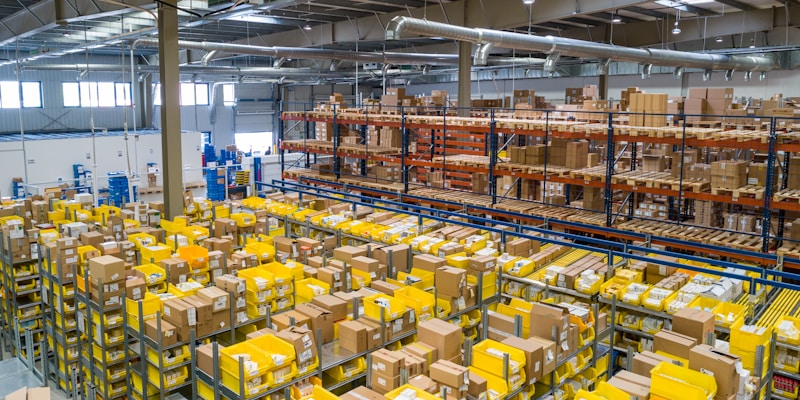
Heavy packages (over 30 lbs) require extra caution and sometimes different strategies.
Know Your Limits
Amazon Flex packages typically stay under 50 lbs, but you may encounter heavier items. If a package feels unsafe, you can refuse it or request assistance. Your safety is more important than any single delivery.
Heavy Package Strategies
- Test the weight first: Nudge or tip the package to gauge weight before lifting
- Slide when possible: Slide heavy packages across your trunk/cargo area rather than lifting
- Use two trips: Better to make two trips than injure yourself
- Roll don't carry: If the package can roll without damage, roll it to the door
- Set down safely: Reverse the lift technique when setting down, bend at knees
Consider a Hand Truck
If you regularly encounter heavy packages, a small folding hand truck ($25-50) can save your back. It fits in most vehicles and makes heavy deliveries much easier, especially for stairs or long driveways.
4. Loading Your Vehicle Safely
Loading at the station sets up your entire route. Poor loading technique means repeated strain accessing packages.
Safe Loading Practices
Position Your Vehicle Well
Park with trunk/hatch facing the cart area to minimize carrying distance. Back in when possible.
Don't Reach Into the Trunk
Leaning into your trunk with packages strains your back. Pull packages to the edge, then lift from there.
Heavy Items Low and Accessible
Put heavy packages where you won't need to reach over other items. Floor level in the trunk or footwell.
Maintain Good Posture
Don't hunch over the cart. Stand straight and bring packages to you rather than bending to them.
Trunk vs. Back Seat Loading
- Back seat access is often easier: Side doors mean less reaching than deep trunks
- Passenger seat for current stops: Minimizes reaching during deliveries
- Trunk for bulk storage: Later stops and overflow
- Don't overload one area: Distribute weight for vehicle balance
5. Delivery Technique

The delivery itself, grabbing the package and getting it to the door, involves many small movements that add up over dozens of stops.
Efficient Delivery Movement
- Position package before exiting: Have the current delivery ready to grab
- Exit car properly: Swing both legs out before standing, don't twist out
- Carry close to body: Package against your torso, not extended in front
- Set down gently: Don't toss packages, bend and place
- Walk, don't run: Rushing leads to trips and falls
One Trip vs. Multiple Trips
For multiple packages to one address:
- If total weight is under 30 lbs and you can carry comfortably, one trip is efficient
- If stacking creates instability or exceeds comfortable weight, take two trips
- Use a bag or box to consolidate small packages into one carry
- Never carry so much that you can't see where you're stepping
6. Stairs & Challenging Access
Stairs multiply injury risk: slipping, tripping, and additional strain from carrying weight up or down.
Stair Safety
- Use handrails: Always use available handrails, even if carrying a package
- One step at a time: Don't skip steps or rush
- Look where you step: Watch for debris, ice, or damaged steps
- Keep package to one side: Maintain visibility of stairs
- Heavy packages: Set down at top/bottom and move in stages if needed
Other Challenging Access
- Long driveways: Drive up if safe rather than walking with packages
- Uneven surfaces: Slow down on gravel, grass, or broken walkways
- Gates and doors: Set package down to open, don't balance while handling locks
- Hills: Extra caution on slopes, especially when wet
7. Footwear & Supportive Gear

Good footwear is an investment in your health. You'll walk miles daily and stand on hard surfaces.
Ideal Delivery Footwear
Cushioning
Adequate cushioning absorbs impact from walking on concrete and pavement. Look for EVA foam or gel insoles.
Arch Support
Good arch support prevents plantar fasciitis and foot fatigue. Consider custom insoles if needed.
Non-Slip Soles
Rubber outsoles with tread pattern prevent slipping on wet surfaces, stairs, and slick floors.
Ankle Support
Low-top is fine for most, but mid or high-top provides extra ankle stability on uneven terrain.
Recommended Shoe Types
- Trail running shoes: Great balance of cushion, support, and traction
- Light hiking shoes: Durable with excellent support
- Quality athletic shoes: Running shoes from reputable brands
- Work shoes: Designed for long hours on feet
Replace When Worn
Delivery shoes wear out faster than casual wear. Replace every 3-6 months or when cushioning feels flat. Worn shoes lose their protective qualities and increase injury risk.
8. Stretching & Mobility
Regular stretching prevents tightness that leads to injury and helps your body recover from repetitive work.
Pre-Block Warm-Up (5 minutes)
- Arm circles: 10 forward, 10 backward
- Trunk rotations: Twist gently side to side, 10 each way
- Leg swings: Hold car for balance, swing each leg 10 times
- Knee bends: 10 shallow squats to warm up legs
- Ankle circles: 10 circles each direction per foot
Post-Block Stretches (5-10 minutes)
- Hamstring stretch: Stand and reach toward toes, hold 30 seconds
- Hip flexor stretch: Lunge position, push hips forward, hold 30 seconds each side
- Lower back stretch: Lie flat, pull knees to chest, hold 30 seconds
- Shoulder stretch: Cross arm across body, hold 30 seconds each side
- Calf stretch: Stand on step edge, drop heels, hold 30 seconds
During Block Movement Breaks
Every 10-15 stops, take 30 seconds to stand straight, roll your shoulders, and stretch your back. These micro-breaks prevent cumulative strain.
9. Common Injury Prevention
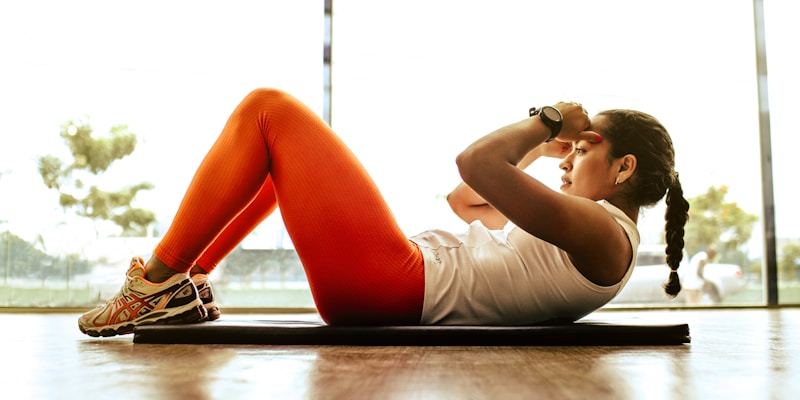
Understanding common injuries helps you recognize warning signs and prevent them.
Lower Back Strain
Cause: Improper lifting, twisting while carrying, prolonged sitting
Prevention: Proper lifting technique, core strengthening, lumbar support in car
Plantar Fasciitis
Cause: Poor footwear, excessive walking on hard surfaces
Prevention: Quality shoes with arch support, calf stretches, rest when needed
Shoulder Strain
Cause: Reaching, carrying awkward packages, repetitive movement
Prevention: Keep packages close, avoid overhead reaching, shoulder exercises
Knee Pain
Cause: Stairs, squatting improperly, worn shoes
Prevention: Proper squat form, leg strengthening, good footwear
10. Managing Discomfort
Some muscle soreness is normal, especially when starting. Knowing the difference between normal fatigue and injury warning signs is important.
Normal Fatigue
- Muscle soreness that improves with rest
- Tiredness after blocks
- Mild stiffness in morning
- Gradual improvement as you adapt
Warning Signs (Seek Care)
- Sharp or shooting pain
- Pain that worsens over days
- Numbness or tingling
- Swelling or bruising
- Pain that disrupts sleep
Self-Care for Minor Soreness
- Rest: Take a day off if significantly sore
- Ice: 15-20 minutes for acute soreness
- Gentle stretching: Light movement promotes recovery
- Over-the-counter pain relief: As directed for temporary relief
- Massage: Self-massage or foam rolling for tight muscles
11. Environmental Hazards

The delivery environment presents hazards beyond lifting. Stay aware of your surroundings.
Common Environmental Hazards
- Dogs: Assess before approaching. If aggressive, don't approach, mark as undeliverable
- Uneven surfaces: Watch for holes, raised sidewalk sections, loose gravel
- Wet surfaces: Rain, sprinklers, ice all increase slip risk
- Poor lighting: Use flashlight at night, watch where you step
- Traffic: Stay aware when walking near streets and driveways
- Insects: Watch for wasp nests near porches and mailboxes
Weather-Related Hazards
- Heat: Stay hydrated, recognize heat exhaustion signs
- Cold: Layer appropriately, watch for ice
- Rain: Non-slip shoes, extra caution on wet surfaces
- Snow/Ice: Slow down significantly, use traction aids
12. Long-Term Body Care
If you plan to do Flex regularly, investing in your physical health pays long-term dividends.
Building a Resilient Body
- Core strength: Strong core protects your back. Planks, bird-dogs, and dead bugs help.
- Leg strength: Squats and lunges build lifting power safely.
- Flexibility: Regular stretching or yoga prevents tightness and injury.
- Cardiovascular fitness: Better endurance means less fatigue-related mistakes.
- Adequate sleep: Recovery happens during sleep. Prioritize rest.
Your Body Is Your Business Asset
As a gig worker, your body is your primary tool for earning income. Investing in its care through proper technique, good equipment, regular exercise, and adequate rest isn't optional, it's essential for a sustainable delivery career. The few extra seconds for proper lifting or the cost of good shoes are tiny compared to the cost of injury.
Frequently Asked Questions
How do I lift heavy packages safely?
Bend at the knees (not the waist), keep the package close to your body, engage your core, and lift with your legs. Keep your back straight throughout the lift. For very heavy packages, consider a hand truck or making two trips.
What's the maximum weight for Amazon Flex packages?
Most packages weigh under 30 lbs, but you may encounter packages up to 50 lbs. Oversized items are rare. You can refuse to deliver packages that feel unsafe.
How can I prevent back pain from delivery work?
Use proper lifting technique every time, strengthen your core, stretch before and after blocks, wear supportive shoes, and take breaks to stretch. Consider lumbar support for your car seat.
What shoes are best for Amazon Flex drivers?
Choose comfortable athletic or work shoes with good arch support, cushioning, and non-slip soles. Trail running shoes or light hiking shoes are popular choices among drivers.
Protect Your Body, Protect Your Income
Explore our complete library of guides for more tips on successful Amazon Flex work.
Browse All Guides
About Glen Meade
Founder of FlexDriverGuide and SideQuestHustle.com. I've spent years researching gig economy platforms and interviewing hundreds of drivers to bring you strategies that actually work. My goal is to help you maximize your earnings while avoiding common pitfalls.