Amazon Flex Parking Strategies Guide 2026: Smart Parking for Faster Deliveries
Master the art of strategic parking to complete deliveries faster while avoiding costly tickets and maintaining safety.

Table of Contents
As an Amazon Flex driver in 2026, parking isn't just about finding a spot—it's about finding the right spot quickly, legally, and safely. Poor parking decisions can cost you precious minutes on each delivery, result in expensive tickets that eat into your earnings, or even lead to safety hazards that put you and others at risk. This comprehensive guide will teach you proven parking strategies that experienced Flex drivers use to complete their routes efficiently while protecting their income from parking violations.
As an Amazon Associate, we earn from qualifying purchases.
Delivery Driver Essentials
- VIOFO Dash Cam - Document parking situations for protection
- High Visibility Safety Vest - Be seen when parking in tight spots
- iOttie Easy One Touch Car Mount - Navigate to parking-friendly areas
- GearLight LED Flashlight - Spot addresses from your parking spot
1. Understanding Parking Fundamentals for Delivery Drivers

The first thing every Amazon Flex driver must understand is that as an independent contractor, you are fully responsible for all parking decisions and any resulting tickets. Amazon does not reimburse for parking violations, and the cost of even a single ticket can wipe out the earnings from multiple delivery blocks.
Parking strategy fundamentally differs from regular driving parking. When shopping or visiting friends, you can take your time finding the perfect spot. As a delivery driver, you're making rapid parking decisions 20-50 times per shift, each requiring quick assessment of legality, proximity to the delivery address, and ease of exit.
The efficiency equation is simple but often misunderstood: the closest parking spot isn't always the fastest. A spot 50 feet farther that allows you to pull straight out saves more time than a close spot requiring a three-point turn. Similarly, a legal spot a block away beats an illegal spot at the door when you factor in potential ticket costs.
Experienced Flex drivers develop what we call "parking instincts"—the ability to quickly scan an area and identify the optimal parking solution within seconds of approaching an address. This skill develops with practice but can be accelerated by understanding the principles in this guide.
2. Identifying Legal Parking Spots
Legal parking is the foundation of any sustainable delivery career. Understanding what makes a parking spot legal—or illegal—prevents costly mistakes that accumulate over time.
Generally Safe Parking Options:
- Residential street parking without posted restrictions
- Commercial loading zones during permitted hours (check signs carefully)
- Customer driveways (with implied consent for deliveries)
- Parking lots without posted time limits or restrictions
- Designated delivery vehicle areas at apartment complexes
Always Avoid:
- Fire lanes (red curbs)—tickets are expensive and often non-negotiable
- Handicap spaces without proper permits
- Bus stops and taxi zones
- Crosswalks and intersections (20+ feet required in most jurisdictions)
- Double parking or blocking traffic lanes
- Private property with "No Parking" or "Tow Away" signs
Yellow curbs present a gray area. In many jurisdictions, yellow curbs indicate commercial loading zones that allow brief stops for active loading/unloading. However, rules vary significantly by city. Los Angeles, for example, allows three-minute stops in yellow zones, while San Francisco restricts yellow zones to commercial vehicles only. Research your local regulations before assuming yellow curbs are safe.
3. Proper Hazard Light Usage
Hazard lights (four-way flashers) are a delivery driver's essential tool, but they're often misunderstood. Let's clarify what hazard lights do and don't accomplish:
What hazard lights DO: Alert other drivers to your presence, indicate you're temporarily stopped, increase visibility especially in low-light conditions, and signal that you're engaged in active loading/unloading activity.
What hazard lights DON'T do: Make illegal parking legal, prevent parking tickets, exempt you from traffic laws, or guarantee other drivers will see you.
Hazard Light Best Practices:
- Always activate hazard lights when making curbside stops
- Turn them on before exiting the vehicle, not after
- Keep them on for the entire duration of your stop
- In some states, driving with hazards on is illegal—research local laws
- Hazards may not be visible in bright sunlight; consider this when parking
Some drivers incorrectly believe hazard lights create a "delivery immunity" that prevents tickets. This is false. Parking enforcement officers understand that hazard lights indicate delivery activity but will still ticket vehicles parked illegally. Hazard lights may sometimes buy you extra seconds if an officer decides to wait briefly, but this is discretionary, not guaranteed.
4. Urban Parking Tactics
Urban deliveries present the most challenging parking situations. Dense traffic, limited street parking, aggressive enforcement, and complex regulations create a high-stakes environment. Here's how experienced drivers navigate urban parking:
Commercial Loading Zones: These are your best friends in urban areas. Most cities designate loading zones that allow vehicles to stop for active loading/unloading during business hours. Time limits typically range from 15-30 minutes, more than enough for most deliveries. However, many convert to general parking or restricted zones after hours, so always verify current restrictions.
Building Loading Docks: High-rise buildings often have loading dock areas accessible from alleys or side streets. While primarily intended for larger deliveries, many allow brief stops for package deliveries. Build relationships with building security who can often direct you to acceptable parking locations.
Parking Garage Strategy: When you have multiple deliveries in the same building or block, consider using a parking garage. The $5-10 cost can be worthwhile when you factor in time savings, ticket avoidance, and reduced stress. Park once, complete multiple deliveries on foot, and leave.
Urban Parking Pro Tips:
- Learn the enforcement patterns in your delivery areas—most cities prioritize certain zones
- Midday (11 AM - 2 PM) often has more spots as morning commuters leave
- Some businesses allow brief delivery parking in their lots—ask and remember for future routes
- Develop backup spots for challenging addresses
- Consider a folding cart for longer walks from legal spots to delivery addresses
5. Suburban and Rural Parking Approaches

Suburban deliveries offer more parking flexibility but present unique challenges. Streets are wider, driveways are common, and enforcement is less intense, but distances are longer and cul-de-sacs can waste time.
Driveway Usage: Customer driveways are generally acceptable for delivery stops. You have implied consent to access the property to deliver packages. However, avoid blocking residents in or out, don't idle in driveways longer than necessary, and never park in driveways of houses you're not delivering to.
Cul-de-sac Strategy: These circular dead-ends are parking-friendly but time-consuming. When delivering to multiple addresses in a cul-de-sac, park in the center and walk to multiple houses rather than driving to each address. This approach saves significant time on repositioning.
HOA Awareness: Some homeowner associations have strict parking rules that can result in HOA-initiated towing or complaints. If you see "No Street Parking" signs or similar restrictions, use driveways only and complete deliveries quickly. While these rules often have exceptions for delivery vehicles, it's better to minimize exposure.
Rural Considerations: Rural deliveries often involve long driveways, unpaved roads, and isolated properties. Always park where you can safely turn around without getting stuck. If a driveway looks questionable, park at the street and walk. A stuck vehicle costs far more time than extra walking distance.
6. Navigating Apartment Complex Parking
Apartment complexes range from simple two-story buildings to massive developments with thousands of units. Each presents unique parking challenges that require strategic thinking.
Look for Delivery Areas: Many larger complexes have designated delivery/visitor parking near the leasing office or main entrance. These spots are specifically intended for short-term stops and are the safest option when available.
Fire Lane Awareness: Apartment complex fire lanes are heavily monitored. These red-curbed or clearly marked areas connect fire department access to buildings. Parking here, even briefly, risks expensive tickets and potential towing. Building managers often have agreements with towing companies that respond within minutes.
Apartment Complex Parking Strategy:
- When delivering to multiple units, park centrally and walk to each unit
- Guest parking spots are typically safe for brief delivery stops
- Avoid numbered spots—these are assigned to residents
- Build relationships with leasing office staff for advice on best parking spots
- Some complexes provide gate codes for delivery drivers—note these for future deliveries
Multi-Building Complexes: For large complexes with many buildings, develop a mental map of building locations and the best parking spots for each. This knowledge significantly speeds up repeat deliveries to the same complex.
7. Business Delivery Parking Solutions

Business deliveries often occur in commercial areas with complex parking regulations. Here's how to navigate common business parking scenarios:
Strip Mall Deliveries: Most strip malls have customer parking lots that are acceptable for brief delivery stops. Park near the business receiving the delivery rather than in front of unrelated businesses. Use spots farther from entrances to avoid taking prime customer parking.
Office Building Deliveries: High-rise office buildings typically require parking in visitor spots or loading areas. Check with building security for designated delivery parking. Some buildings have freight elevators and loading docks that provide parking access.
Restaurant and Retail Deliveries: These businesses often have "customer only" or time-limited parking. For quick deliveries, these restrictions rarely become issues. However, avoid parking in reserved spots for specific businesses (like pizza delivery spots) that might be actively monitored.
Industrial Area Deliveries: Warehouses and industrial facilities often have generous parking with minimal restrictions. Look for visitor or shipping/receiving parking. Industrial areas typically have less enforcement but more commercial vehicle traffic—park where you won't block truck access.
8. Strategies for Avoiding Parking Tickets
The best parking ticket is the one you never receive. Here are proven strategies for ticket avoidance:
Time Awareness: If a sign indicates a 15-minute limit, set a timer for 12 minutes. Never push time limits—the few extra seconds aren't worth the ticket cost. If a delivery is taking longer than expected, move your vehicle to a fresh spot before returning to complete the delivery.
Read All Signs: Parking signs can be complex, with different rules for different times, days, or permit requirements. Take the extra 10 seconds to read and understand every sign near your parking spot. "No Parking 7 AM - 9 AM" means you can't park there at 8:30 AM, even if that's when you arrive.
Ticket Prevention Checklist:
- Read all parking signs before leaving your vehicle
- Never park in fire lanes—no delivery is worth the $100+ ticket
- Avoid double parking, even for "just a minute"
- Don't block driveways, even partially
- Stay within marked lines—parking over the line can result in tickets
- Keep your hazards on to signal active delivery
Enforcement Awareness: Learn when and where parking enforcement operates in your delivery areas. Many cities have predictable patterns—enforcement officers work specific routes at specific times. Downtown areas typically have heavier daytime enforcement, while residential areas may see more evening attention.
Document Everything: If you receive a ticket and believe it was unjustified, document the situation immediately with photos. This evidence can support an appeal. However, the best approach is preventing the ticket in the first place.
9. Speed Parking Techniques

Speed is essential for Amazon Flex success, and parking efficiency directly impacts your hourly delivery rate. Here are techniques for minimizing parking time:
The Approach Scan: As you approach each delivery address, scan for parking options before you need to stop. Identify your primary spot and a backup option. This prevents the costly situation of passing a good spot, then having to circle back.
Pull-Through Philosophy: Whenever possible, choose spots that allow you to pull through or pull straight out. Avoiding the need to reverse saves 10-20 seconds per stop, which adds up to 5-10 minutes per route on a 30-stop block.
Passenger Side Loading: When parking on streets, position your vehicle so the delivery package exit (typically the passenger side rear) faces the delivery direction. This reduces carrying distance and keeps you away from traffic.
Engine Running vs. Off: Many experienced drivers keep their engines running for quick stops. This eliminates restart time and maintains climate control. However, this practice may violate local idling ordinances or increase theft risk in some areas. Evaluate based on your delivery environment and local laws.
Package Prep: While parking approaches are physical, mental preparation matters too. By the time you park, you should know exactly which package you're delivering and where it needs to go. This preparation prevents return trips to the vehicle for forgotten packages.
10. Safety Considerations When Parking
Parking decisions affect more than just efficiency—they impact your safety and the safety of others. Never compromise safety for speed or convenience.
Visibility: Always park where you and your vehicle are visible to traffic. Avoid spots behind blind corners, in heavily shadowed areas (especially at night), or places where approaching traffic might not see you exit your vehicle.
Traffic Exposure: When exiting your vehicle, always exit toward the curb side when possible. If you must exit toward traffic, check mirrors and look behind you before opening the door. Many driver injuries occur from being struck by passing vehicles when exiting on the traffic side.
Safety Non-Negotiables:
- Never park where you block visibility at intersections
- Always check for cyclists before opening doors into traffic lanes
- Use extra caution at night—wear visible clothing and use your phone flashlight
- Lock your vehicle if leaving it out of direct sight
- Trust your instincts—if a parking spot feels unsafe, find another
Weather Considerations: Rain, snow, and ice change parking dynamics. Spots that work fine in dry conditions may become hazardous when wet. Avoid steep driveways in icy conditions, give yourself extra distance from traffic in rain, and never park where you might slide when trying to leave.
11. Technology Tools for Parking Assistance
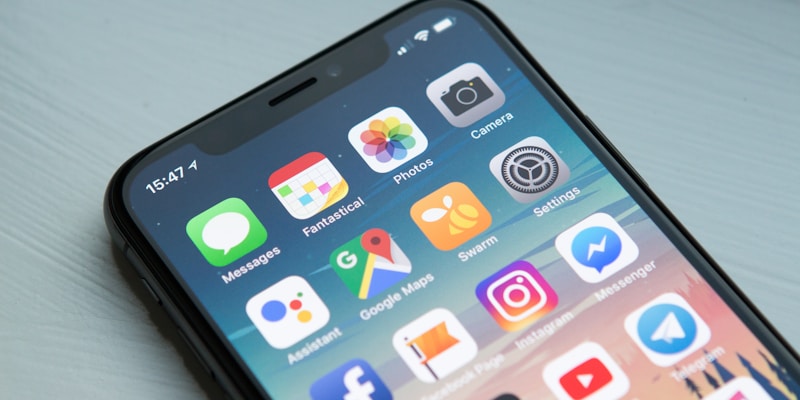
Modern technology offers several tools that can enhance your parking strategy:
Satellite View Preparation: Before starting a route, use Google Maps satellite view to preview challenging addresses. Look for driveways, parking lots, and street parking options. This preparation helps you park quickly upon arrival.
SpotHero and Similar Apps: For urban areas where parking costs are unavoidable, apps like SpotHero, ParkMobile, or local parking apps can help you find and reserve affordable spots quickly. Some offer discounts for commercial/delivery use.
Waze for Traffic Patterns: Waze shows not just traffic but also parking lot locations and sometimes availability. The community-sourced data can reveal parking options you might otherwise miss.
Backup Cameras: If your vehicle has a backup camera, use it to speed up parking maneuvers. Even experienced drivers park faster with camera assistance. If your vehicle lacks a backup camera, aftermarket options start around $50 and can pay for themselves in time savings.
Note-Taking Apps: Keep notes on challenging addresses with parking solutions that worked. "Unit 304: Park in visitor spot by building B" saves time on repeat deliveries to the same address.
12. Frequently Asked Questions
Can I use hazard lights while making Amazon Flex deliveries?
Yes, hazard lights are commonly used by delivery drivers and provide visibility to other motorists. However, they don't exempt you from parking laws, so always check local regulations and avoid blocking traffic or fire lanes. Hazard lights signal your delivery activity but don't prevent parking tickets if you're parked illegally.
Will Amazon reimburse me for parking tickets received during deliveries?
No, Amazon Flex does not reimburse drivers for parking tickets. You are responsible for all parking violations as an independent contractor. This is why developing smart parking strategies is essential for protecting your earnings. A single ticket can eliminate the profit from an entire delivery block.
Is double parking acceptable for quick Amazon Flex deliveries?
Double parking is illegal in most jurisdictions and can result in significant fines. It also creates safety hazards and can lead to customer complaints. Always find legal parking spots, even if it takes a few extra seconds. The time you save by double parking isn't worth the risk of tickets or accidents.
How can I find parking in dense urban areas for deliveries?
Urban parking strategies include using commercial loading zones during permitted hours, looking for building loading docks, using parking garages for multiple building deliveries, and learning neighborhood patterns where spots open during business hours. Building relationships with doormen and security staff can also reveal parking options not obvious to newcomers.
Master Every Aspect of Amazon Flex Delivery
Smart parking is just one piece of the puzzle. Explore our complete guide collection to maximize your earnings and efficiency.
Browse All Guides
About Glen Meade
Founder of FlexDriverGuide and SideQuestHustle.com. I've spent years researching gig economy platforms and interviewing hundreds of drivers to bring you strategies that actually work. My goal is to help you maximize your earnings while avoiding common pitfalls.