Amazon Flex Summer Heat Delivery Guide 2026
Stay safe, protect packages, and maintain efficiency during the hottest months of the year.

Table of Contents
Summer brings unique challenges for Amazon Flex drivers. Temperatures inside parked vehicles can exceed 140°F within minutes, creating risks for both drivers and packages. Heat exhaustion can sneak up quickly when you're focused on completing deliveries, and damaged products lead to customer complaints and potential standing issues.
This guide prepares you for safe and successful summer deliveries. Whether you're in Phoenix facing 115°F days or dealing with humid 95°F weather in the Southeast, these strategies will help you stay healthy, protect merchandise, and maintain your efficiency when the temperature rises.
As an Amazon Associate, we earn from qualifying purchases.
Summer Heat Delivery Gear
- Hydro Flask 32oz Water Bottle - Stay hydrated with insulated bottle
- Windshield Sun Shade - Keep your car cool while at pickups
- Insulated Delivery Bags - Keep grocery items cool during delivery
- Gel Seat Cushion - Breathable comfort for hot weather driving
- Anker USB-C Car Charger - Keep phone charged while using AC
1. Summer Delivery Challenges

Understanding the specific challenges of summer delivery helps you prepare appropriately and recognize problems before they become serious.
Personal Health Risks
- Heat exhaustion and heat stroke
- Dehydration (happens faster than you think)
- Sunburn and sun damage
- Fatigue and decreased alertness
- Muscle cramps from electrolyte loss
Package & Equipment Risks
- Melted chocolate, cosmetics, candles
- Warped or damaged electronics
- Overheated phone malfunctions
- Medication and supplement damage
- Adhesives and labels failing
The Hidden Danger: Car Interior Temps
When it's 90°F outside, your parked car interior reaches 109°F within 10 minutes and 119°F within 20 minutes. At 100°F outside, interior temps can exceed 140°F. This is why leaving packages or yourself in a parked car without AC, even briefly, is dangerous.
2. Hydration Essentials
Proper hydration is your most important defense against heat. By the time you feel thirsty, you're already partially dehydrated. Proactive hydration prevents problems before they start.
Hydration Requirements
- Minimum: 1 gallon (128 oz) of water during a hot day of deliveries
- Frequency: Drink 8-12 oz every 15-20 minutes, don't wait until thirsty
- Pre-hydrate: Drink 16-24 oz in the hour before starting your block
- Electrolytes: Replace salt and minerals with sports drinks or tablets
- Avoid: Caffeine and alcohol before and during blocks (diuretics)
Best Hydration Gear
Insulated Water Bottle
32-64 oz insulated bottle keeps water cold for hours. Hydro Flask, YETI, or similar. Bring multiple or a gallon jug in cooler.
Cooler with Ice
Small cooler in passenger seat with ice and drinks. Refill at gas stations. Essential for blocks over 2 hours.
Electrolyte Packets
LMNT, Liquid IV, or Nuun tablets. Add to water for better absorption. Especially important if sweating heavily.
Quick Hydration Check
Monitor your urine color: pale yellow is good, dark yellow means you need more water immediately. If you're not urinating every 2-3 hours during a hot block, you're not drinking enough.
3. What to Wear

The right clothing makes a significant difference in comfort and safety during hot weather deliveries.
Ideal Summer Delivery Outfit
Tops
Lightweight, moisture-wicking, light-colored shirts. Athletic wear or hiking shirts work best. Avoid cotton, which absorbs sweat and stays wet. Long sleeves can actually be cooler by providing sun protection while wicking moisture.
Bottoms
Lightweight shorts or athletic pants with stretch. Cargo shorts are practical for holding phone/keys. Breathable hiking pants work for those who prefer coverage.
Footwear
Breathable athletic shoes or hiking shoes. Mesh uppers allow airflow. Avoid heavy boots. Moisture-wicking socks prevent blisters and discomfort.
Head Protection
Wide-brimmed hat or breathable cap. Consider hats with neck flaps for sun protection. Bandanas or cooling headbands work under caps.
Sun Protection
- Sunscreen: SPF 30+ applied every 2 hours. Water-resistant formula for sweat. Don't forget ears, neck, and backs of hands.
- Sunglasses: Polarized lenses reduce glare and eye strain. UV protection essential.
- UPF Clothing: Consider UPF-rated clothing for built-in sun protection.
- Lip Balm: SPF lip balm prevents painful sun-burned lips.
4. Vehicle Preparation
Your vehicle needs to be summer-ready to protect you and your cargo from extreme heat.
AC System Check
- Ensure AC blows cold, get serviced if not
- Check refrigerant levels before summer
- Replace cabin air filter for max airflow
- Test all fan speeds work properly
- Know how to use recirculate vs. fresh air
Heat Protection
- Windshield sunshade for parking
- Window tint (legal levels for your state)
- Steering wheel cover to prevent burns
- Light-colored seat covers if leather
- Side window shades for cargo area
Pre-Cooling Strategy
Start your car and AC 5 minutes before your block begins. Open doors/windows briefly to vent hot air, then close and let AC work. A remote start system is ideal for this. Pre-cooling means you start your block comfortable instead of miserable.
Summer Vehicle Maintenance
- Coolant: Check level and condition, flush if due
- Battery: Heat kills batteries faster than cold, test before summer
- Tires: Check pressure when cool, heat increases PSI
- Oil: Stay current on changes, oil breaks down faster in heat
- Belts/Hoses: Inspect for cracks or wear that heat can worsen
5. Protecting Packages from Heat

Heat-damaged packages lead to customer complaints, returns, and potential standing issues. Protecting merchandise is part of professional delivery.
Heat-Sensitive Items
- Chocolate/Candy: Melts starting around 86°F
- Cosmetics: Lipstick, creams, and lotions can liquify
- Candles: Wax melts and warps
- Medications: Many require temperature control
- Electronics: Batteries can swell, screens damage
- Vinyl Records/CDs: Warp in high heat
- Food Items: Obviously temperature-sensitive
Protection Strategies
- Keep AC running: When loading at station, keep AC on even with doors open briefly
- Never leave packages in hot car: Complete blocks efficiently, don't sit for extended periods
- Cover with reflective blanket: Emergency blanket or light-colored sheet over packages
- Priority delivery: Deliver obviously heat-sensitive items first
- Shade placement: Place packages in shaded delivery spots when possible
- Consider insulated bags: For grocery/Prime Now routes with perishables
Loading Bay Strategy
When picking up your route, scan and organize packages quickly. Have AC on recirculate and running. If loading takes more than 10-15 minutes in extreme heat, consider closing doors periodically to cool down the cargo area. Speed at pickup protects merchandise.
6. Optimal Block Timing
Choosing when to work can dramatically impact your comfort and safety during summer months.
Best Summer Block Times
Early Morning (5-9 AM)
Coolest temperatures, less AC strain, comfortable deliveries. Ideal for maximizing efficiency and safety.
Evening (6-9 PM)
Temperatures dropping, still daylight for visibility. Good alternative if mornings aren't available.
Late Morning (9 AM-12 PM)
Warming up but still manageable. Be prepared with full hydration and cooling gear.
Peak Heat (2-5 PM)
Hottest part of day. Avoid if possible. If unavoidable, take extra precautions and be ready to take breaks.
Surge Pricing Trade-off
Peak heat hours sometimes offer surge pricing because fewer drivers want to work. Weigh the extra pay against health risks and increased expenses (more AC fuel usage, more hydration costs). Often the surge doesn't offset the discomfort and risk.
7. Heat Illness Prevention & Recognition

Recognizing heat illness symptoms early can prevent serious medical emergencies. Know the signs and act immediately when they appear.
Heat Exhaustion (Serious)
- Heavy sweating
- Cold, pale, clammy skin
- Fast, weak pulse
- Nausea or vomiting
- Muscle cramps
- Tiredness, weakness
- Dizziness, headache
- Fainting
Action: Stop work, move to AC, drink water, cool body
Heat Stroke (Emergency)
- High body temp (103°F+)
- Hot, red, dry OR damp skin
- Fast, strong pulse
- Confusion, altered speech
- Loss of consciousness
- Seizures
- Stopped sweating despite heat
Action: CALL 911 IMMEDIATELY. Cool body with any means available while waiting.
Prevention Strategies
- Never skip hydration, drink proactively before feeling thirsty
- Take breaks in AC if feeling overheated
- Know your limits and don't push through warning signs
- Gradually acclimate to heat over 1-2 weeks if new to hot weather work
- Get adequate sleep before hot weather blocks
- Eat light, avoid heavy meals before and during blocks
8. Cooling Gear & Accessories
Specialized cooling gear can make summer deliveries significantly more comfortable and safe.
Personal Cooling
- Cooling Towel: Wet, wring, snap to activate. Drape around neck. Stays cool for hours. $10-15
- Neck Fan: Wearable fans that hang around neck. Rechargeable. $15-30
- Cooling Vest: Ice pack or evaporative vest worn under clothes. $30-80
- Handheld Fan: Battery-powered misting fan for quick cool-downs. $10-20
Vehicle Cooling
- Windshield Sunshade: Accordion or pop-up style. Reduces interior temp by 15-20°F. $15-25
- Window Tint: Professional ceramic tint blocks heat. Check state laws. $150-400
- Seat Cooling Cushion: Fan-powered cushion circulates air. $30-60
- Solar Fan: Dashboard fan powered by sun to circulate air while parked. $20-40
Best Investment: Cooling Towel
A $10 cooling towel is the best bang-for-buck summer accessory. Keep it in your cooler, wear it around your neck during deliveries, and it provides hours of relief. Bring 2-3 to rotate as they warm up.
9. Phone & Tech in Heat
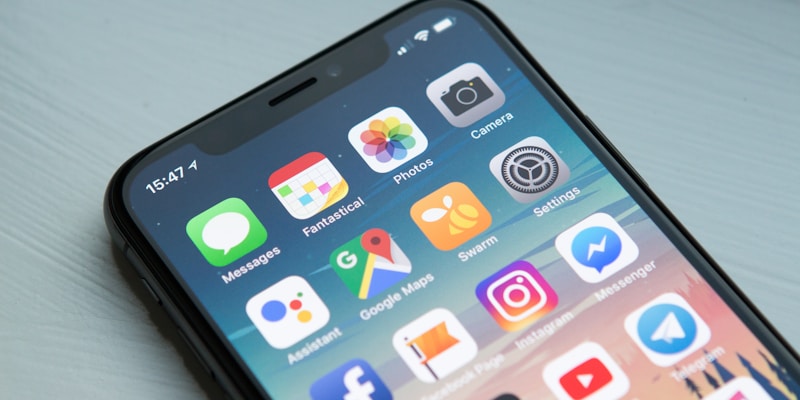
Phones and tablets don't tolerate extreme heat well. Overheating causes shutdowns, battery damage, and GPS failures, all of which can ruin a block.
Phone Overheating Signs
- Phone feels hot to touch
- Screen dims automatically
- Temperature warning appears
- Camera flash disabled
- Charging slows or stops
- Apps running slowly
- Phone shuts down completely
Prevention & Solutions
- Keep phone in AC vent airflow: Position mount near a vent blowing cold air
- Remove case: Thick cases trap heat. Consider thin case or going caseless while mounted
- Reduce brightness: High brightness generates more heat
- Close background apps: Fewer running apps means less heat generation
- Use car's USB instead of fast charger: Fast charging generates significant heat
- Never leave in parked car: Even briefly, parked car temps can damage phones
Emergency Phone Cooling
If your phone overheats: remove from mount, remove case, place in front of AC vent (not directly on it), and let it cool for 5-10 minutes. Do NOT put it in a freezer or on ice, rapid temp change can cause condensation damage.
10. Hot Weather Efficiency Tips
Working efficiently in heat means completing deliveries faster so you spend less time in extreme conditions.
Speed & Safety Balance
Minimize Vehicle Exit Time
Organize packages before leaving car. Know exactly which package you need. Reduce door-open time to keep AC effective.
Strategic Route Preview
Preview your entire route at pickup. Identify shaded delivery spots. Plan efficient paths to minimize walking distance.
Park Smart
Park in shade when possible, even if slightly further. Shade keeps car cooler for return. Tree shade preferred over building shadow.
Batch Similar Locations
If route allows flexibility, group nearby stops. Less total driving means faster completion and less heat exposure.
AC Usage Optimization
- Use recirculate mode for fastest cooling (cools air already inside)
- Switch to fresh air briefly to prevent staleness on long blocks
- Point vents toward you and phone, not at packages
- Don't turn off AC between stops, recovery time wastes more fuel
- Keep windows up for AC efficiency
11. Heat Emergencies
Knowing how to respond to heat emergencies could save your life or someone else's.
If You Experience Heat Stroke Symptoms
- Stop immediately. Pull over safely, put car in park.
- Call 911. Heat stroke is a medical emergency.
- Get to AC. Stay in car with AC on maximum.
- Cool your body. Apply cold water to neck, armpits, groin. Use cooling towel.
- Contact support. After calling 911, contact Amazon Flex support about incomplete block.
Emergency Kit for Summer
- Extra water (sealed, in cooler)
- Electrolyte packets
- Cooling towels (multiple)
- First aid kit with instant cold packs
- Charged phone with emergency contacts
- Cash for emergency purchases
12. Regional Considerations

Dry Heat (Southwest)
- Phoenix, Las Vegas, desert areas
- Extreme temps (110°F+) common
- Dehydration happens faster (low humidity)
- Sweat evaporates quickly, may not realize how much you're losing
- Mornings essential, afternoons dangerous
Humid Heat (Southeast/Midwest)
- Florida, Gulf states, humid regions
- Lower temps but higher "feels like"
- Sweat doesn't evaporate, cooling is harder
- Clothes stay wet and heavy
- Moisture-wicking clothing essential
Know Your Local Conditions
- Check heat index, not just temperature (humidity matters)
- Know local cooling centers and shaded rest areas
- Understand monsoon/storm patterns in your area
- Connect with local Flex drivers for regional tips
- Consider seasonal work patterns if heat is extreme
Heat Index Guide
Heat index 90-105°F: Use caution, take breaks. 105-130°F: Danger zone, minimize exposure. Above 130°F: Extreme danger, consider not working. Your health is worth more than any single block.
Frequently Asked Questions
How do I stay cool while doing Amazon Flex in summer?
Stay cool by hydrating constantly (1 gallon+ daily), wearing moisture-wicking clothes, using a cooling towel, taking morning blocks when possible, maximizing AC during driving, and taking breaks in shade when needed. Keep a cooler with ice water in your vehicle and avoid blocks during peak heat hours (2-5 PM).
What should I wear for summer Amazon Flex deliveries?
Wear lightweight, breathable, moisture-wicking clothes in light colors. Athletic wear or hiking clothes work well. Choose comfortable sneakers with good ventilation. A wide-brimmed hat protects from sun. Avoid cotton, which holds sweat. Apply sunscreen to exposed skin every 2 hours.
How do I protect packages from heat damage?
Never leave packages in a hot parked car for extended periods. Use sunshades on windows, keep AC running while loading, cover packages with a light-colored blanket if parked, and deliver heat-sensitive items first. Chocolate, cosmetics, and electronics are particularly vulnerable to heat damage.
What are heat exhaustion warning signs for delivery drivers?
Watch for: heavy sweating then sudden stop, dizziness, headache, nausea, rapid heartbeat, cool pale skin, and muscle cramps. If you experience these, stop immediately, find shade/AC, drink water, and cool your body. Heat exhaustion can progress to heat stroke, which is a medical emergency requiring 911.
Stay Safe This Summer
Explore our complete library of guides for more tips on successful Amazon Flex deliveries.
Browse All Guides
About Glen Meade
Founder of FlexDriverGuide and SideQuestHustle.com. I've spent years researching gig economy platforms and interviewing hundreds of drivers to bring you strategies that actually work. My goal is to help you maximize your earnings while avoiding common pitfalls.