
Amazon Flex Veteran Driver Tips 2026: Advanced Strategies for Pros
You've been driving Flex for a while. You know the basics, maintain decent standing, and earn reasonable money. But are you maximizing your potential? This guide is for experienced drivers ready to level up—moving from competent to exceptional, from earning well to earning optimally. These advanced strategies separate the top 10% of Flex drivers from everyone else in 2026.
Table of Contents
- 1. The Pro Driver Mindset
- 2. Territory Mastery
- 3. Warehouse Optimization
- 4. Route Efficiency Techniques
- 5. Data-Driven Decisions
- 6. Standing Score Mastery
- 7. Advanced Block Selection
- 8. Multi-Platform Strategy
- 9. Vehicle Optimization
- 10. Preventing Veteran Burnout
- 11. Income Maximization
- 12. Future-Proofing Your Career
1. The Pro Driver Mindset

The fundamental difference between average and exceptional Flex drivers isn't physical ability or secret knowledge—it's mindset. Top performers treat Flex as a business, not just a job.
Business Owner Mentality
You're not an Amazon employee—you're a logistics business owner with Amazon as your primary client. This reframe changes everything: you invest in efficiency, track profitability, manage expenses, and make strategic decisions rather than just showing up.
Continuous Improvement
Veterans often plateau after achieving competence. Pro drivers never stop optimizing. Each route offers learning opportunities: better parking spots, building access tricks, route shortcuts. Maintain beginner curiosity even after hundreds of blocks.
Metrics Focus
What gets measured gets improved. Track your actual hourly rate (including all time), dollars per mile, completion times versus block lengths, and standing trends. Data reveals optimization opportunities intuition misses.
Long-Term Thinking
Decisions that maximize today's earnings can harm tomorrow's. Grabbing a sketchy block that might hurt standing, skipping vehicle maintenance to save money, or pushing through burnout all have long-term costs exceeding short-term gains.
Pro Mindset Check
Ask yourself: "Would a business owner make this decision?" If you're grabbing blocks randomly, ignoring data, or making emotional choices, you're leaving money on the table.
2. Territory Mastery
Knowing your delivery area cold is the single biggest efficiency multiplier. Veterans who've delivered to the same neighborhoods hundreds of times move faster than GPS alone allows.
Building Mental Maps
Beyond GPS navigation, develop detailed mental maps of your common areas. Know street patterns, subdivision layouts, and logical building numbering. This reduces navigation time and cognitive load.
Access Point Database
Maintain personal notes on building access: working gate codes, helpful leasing offices, back entrance locations, and mailroom procedures. This knowledge is pure time savings on repeat visits.
Parking Intelligence
Know the best parking spot for every complex, the loading zone locations, and where enforcement is strict versus lax. Optimal parking selection saves minutes per stop that compound dramatically.
Neighborhood Character
Understand each area's delivery norms. Some neighborhoods prefer porch delivery; others have package theft concerns. Some have aggressive dogs; others have helpful neighbors. Tailoring your approach by area improves outcomes.
Territory Mastery Levels
- Beginner: Follows GPS step-by-step, often confused by complex apartments
- Intermediate: Familiar with major areas, can navigate without GPS for some routes
- Advanced: Knows optimal parking, building access, and route order for most areas
- Master: Can mentally pre-plan routes before loading, spots addresses before GPS announces them, and knows seasonal/time-of-day variations
3. Warehouse Optimization
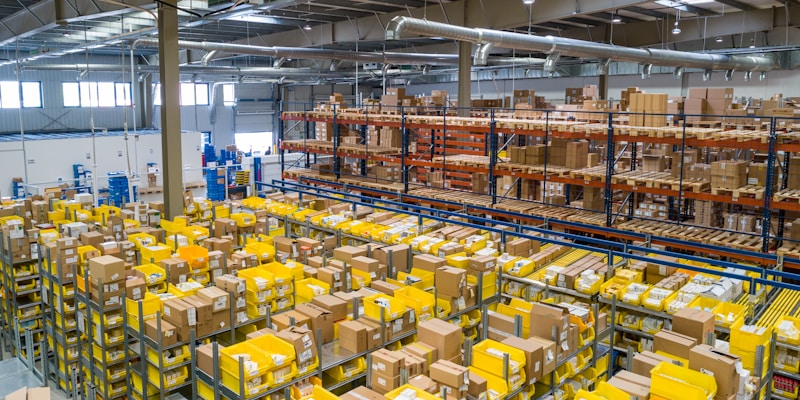
Your block starts before loading—and smart warehouse behavior creates advantages that carry through the entire route.
Arrival Timing
Arrive exactly on time—not early, not late. Early arrivals often wait; late arrivals get rushed and potentially problematic carts. Consistent timing creates predictable experiences and reduces stress.
Cart Selection
When multiple carts are available, experienced drivers quickly assess options. Fewer packages isn't always better—a light cart going to scattered rural addresses can be worse than a dense urban cart. Learn your warehouse's assignment patterns.
Loading Strategy
Don't just throw packages in your vehicle. During loading, roughly sort by delivery zone. Many veterans use passenger-side-front for first stops, working backward. This organization saves retrieval time throughout the route.
Relationship Building
Be professional with warehouse staff. A good reputation can mean faster check-in, helpful route tips, and occasionally favorable cart assignments. Never argue about package counts or cart assignments—escalate professionally if needed.
Problem Prevention
Check packages before leaving. Missing items, damaged packages, or scanning issues discovered after departure become your problem. Two minutes of verification prevents thirty minutes of support calls later.
4. Route Efficiency Techniques
Amazon's routing algorithm is good but not perfect. Veteran drivers know when to follow it and when to optimize.
Strategic Route Deviation
Amazon's suggested order often doesn't account for local knowledge. Sometimes reversing a route reduces backtracking. Sometimes grouping apartment stops together beats following the exact sequence. Learn to identify optimization opportunities.
Multi-Stop Efficiency
When adjacent stops share parking, grab packages for both and complete them in one trip. Experienced drivers constantly look for opportunities to combine stops through walking rather than re-parking.
Skip and Return
Sometimes skipping a difficult stop and returning later is optimal. If a gated community has no code working and calling will take ten minutes, complete nearby stops first and try again when you return to the area.
Time-Based Decisions
A stop that's fast during off-hours might be slow during rush hour. Veterans mentally adjust route order based on time-of-day factors like school traffic, business district congestion, and apartment office hours.
Speed Tip
Pre-scan the next 2-3 stops while walking back from a delivery. This mental preparation means you're ready to grab packages and navigate immediately upon returning to your vehicle—eliminating idle decision time.
5. Data-Driven Decisions

Top performers track their numbers obsessively. Data reveals truths that intuition misses and enables continuous optimization.
What to Track
- True hourly rate: Include drive to warehouse, waiting, and return time
- Dollars per mile: Revenue divided by total miles driven
- Block completion time: Actual time versus allotted time
- Cost per block: Gas, wear, and other variable costs
- Warehouse performance: Which warehouses yield best results
- Time-of-day patterns: When do you perform best/worst
Analysis Frequency
Review weekly data every Sunday. Identify patterns: which days were most profitable, which warehouses consistently underperformed, where time was lost. Monthly reviews reveal seasonal trends and longer-term patterns.
Data-Informed Block Selection
After tracking, you'll discover that certain block times, warehouses, or conditions consistently outperform others. Use this data to prioritize high-performing blocks and avoid consistent losers.
Simple Tracking Spreadsheet Headers
- Date
- Warehouse
- Block Start Time
- Block Duration
- Actual Duration
- Pay Rate
- Total Miles
- Fuel Cost
- Net Earnings
- Hourly Rate
- Notes
6. Standing Score Mastery
Your standing score directly impacts block access. Veterans maintain excellent standing not through luck but through systematic practices.
Delivery Photo Protocol
Always take clear delivery photos showing the package location in context. Include house numbers, landmarks, or door features when possible. These photos are your protection against false non-delivery claims.
Customer Notes Attention
Customer delivery instructions exist for a reason. Following them precisely—even when they seem unnecessary—prevents complaints. "Leave behind planter" might seem silly until the customer complains about visible packages.
Proactive Communication
When issues arise, document everything and contact support immediately. Proactive reporting of access problems, missing packages, or unusual situations creates records supporting your actions.
Standing Recovery
If standing drops, work consistently for 2-3 weeks with flawless performance. Avoid high-risk blocks during recovery. Standing improves through consistent positive data points diluting negative ones.
Standing Protection
One bad block can impact standing for weeks. Risk assessment matters: a $100 surge block in a high-theft neighborhood might not be worth the standing risk. Protect your long-term access by avoiding consistently problematic situations.
7. Advanced Block Selection

Block selection is where strategy meets execution. Veterans don't grab random blocks—they select strategically based on experience and data.
Warehouse Pattern Recognition
Each warehouse has patterns: certain times yield easier routes, some days have lighter loads, specific block lengths have better hourly rates. Track patterns and select blocks matching favorable patterns.
Block Length Strategy
3-hour blocks might have better hourly rates than 4-hour blocks at your warehouse, or vice versa. Some veterans prefer shorter blocks allowing more scheduling flexibility; others prefer longer blocks for fewer warehouse trips.
Surge Timing
Experience teaches when blocks surge versus when to grab early. Some warehouses surge predictably at certain times; others rarely surge regardless of waiting. Match your approach to observed patterns.
Chaining Blocks
Advanced drivers chain blocks strategically—finishing one block near the next warehouse, or timing returns to catch fresh block drops. Planning block combinations maximizes productive time versus travel time.
8. Multi-Platform Strategy
Most veteran gig drivers don't rely solely on Flex. Strategic multi-platform approaches provide backup options and additional earnings.
Complementary Platforms
Food delivery (DoorDash, Uber Eats) fills gaps between Flex blocks. Grocery delivery (Instacart, Shipt) uses similar skills. Having multiple options means you're never without work.
Transition Efficiency
After completing a Flex block, switch to food delivery in the area you're already in. Avoid dead-head drives back home between platforms. Geographic efficiency increases hourly earnings.
Platform Arbitrage
Compare real-time opportunities across platforms. When Flex surges, prioritize it. When food delivery has promotions, shift focus. Flexibility to move between platforms captures the best current opportunities.
Risk Diversification
Deactivation happens, sometimes unfairly. Drivers with only one platform income face crisis; multi-platform drivers have immediate backup. Maintain active accounts even if you primarily use Flex.
Multi-Platform Combination Examples
- Morning Flex + Midday DoorDash: Flex block 5-9 AM, lunch rush food delivery 11 AM-1 PM
- Flex Base + Surge Chase: Work Flex normally, switch to Uber Eats when restaurant surge pricing appears
- Flex Weekdays + Instacart Weekends: Package delivery during week, grocery tips on weekends
9. Vehicle Optimization

Your vehicle is your primary business asset. Veterans treat it as such, optimizing for both efficiency and longevity.
Fuel Efficiency Habits
Gentle acceleration, maintaining steady speeds, and proper tire inflation improve MPG significantly. Over thousands of miles, these habits save hundreds in fuel costs annually.
Preventive Maintenance
High-mileage drivers need accelerated maintenance schedules. Oil changes more frequently, brake inspections every 15,000 miles, and tire rotation religiously. Breakdowns cost far more than preventive care.
Interior Organization
A cluttered vehicle slows delivery. Install cargo organizers, use labeled bins for package size categories, and maintain cleanliness. Professional organization pays dividends on every route.
Depreciation Awareness
Every mile adds wear and reduces resale value. Track true cost per mile including depreciation (roughly 10-20 cents/mile for most vehicles). This affects profitability calculations and vehicle replacement timing.
10. Preventing Veteran Burnout
Long-term Flex drivers face burnout risk. The repetition, physical demands, and algorithm pressure wear down even motivated drivers. Prevention is essential for sustainability.
Variety Injection
Rotate warehouses, try different block times, and occasionally work different areas. Variety combats monotony. If every day feels identical, burnout accelerates.
Strategic Rest
Take at least one full day weekly with zero gig work. Occasional longer breaks—a week off quarterly—allow physical and mental recovery. Sustainable pace beats sprint-and-crash cycles.
Income vs Time Balance
After reaching financial targets, additional work has diminishing returns. The marginal earnings from that sixth block matter less than the time and energy they consume. Know your enough.
Purpose Connection
Remember why you drive: family support, financial goals, schedule flexibility. Connecting work to purpose sustains motivation when the grind feels monotonous.
Burnout Warning Signs
Constant exhaustion, dreading blocks you used to enjoy, declining efficiency, irritability with customers, and physical symptoms (chronic pain, illness) signal burnout. Take these seriously—reduce hours before experiencing complete breakdown.
11. Income Maximization

Veterans focus on total income, not just hourly rate. Here's how to maximize annual earnings sustainably.
Expense Optimization
Every saved expense dollar is earned income. Use gas apps (GasBuddy, GetUpside), strategic fueling locations, and cash-back credit cards. Small savings compound across thousands of miles.
Tax Strategy
Track every deductible expense meticulously. Mileage deduction often exceeds actual vehicle costs—track both and use whichever is higher. Quarterly estimated payments avoid year-end surprises.
Seasonal Strategy
Work harder during high-paying seasons (holidays) and scale back during slow periods. Veterans earn 40-50% of annual income during November-January. Plan accordingly.
Efficiency Over Hours
Top earners don't necessarily work most hours—they earn more per hour worked. A driver completing 4-hour blocks in 3 hours effectively earns 33% more than someone taking full time. Invest in efficiency.
12. Future-Proofing Your Career
The gig economy evolves constantly. Veterans think long-term about sustainability and adaptation.
Platform Diversification
Maintain active status on multiple platforms. Policy changes, market shifts, or deactivation on one platform shouldn't crater your income. Diversification provides insurance.
Skill Development
Consider what else you could do if gig work became unfeasible. Use flexibility to pursue education, develop skills, or build alternative income streams. Don't become trapped by immediate income needs.
Financial Reserves
Build significant savings during high-earning periods. Platform changes, car breakdowns, or health issues can interrupt income. Reserves prevent crisis and provide optionality.
Industry Awareness
Stay informed about gig economy trends, regulations, and platform changes. Understanding where the industry is heading helps you adapt proactively rather than reactively.
The Veteran Advantage
Experience is your asset. Use it wisely—continue learning, stay adaptable, and never stop optimizing. The drivers who thrive long-term combine accumulated knowledge with continuous improvement and strategic thinking about their future.
Frequently Asked Questions
How do experienced Flex drivers maximize hourly earnings?
Veteran drivers maximize earnings by completing routes faster than allotted time (earning full pay in less hours), strategically selecting blocks based on route patterns, mastering warehouse efficiency, building territory knowledge to reduce navigation time, and timing work around surge pricing opportunities while maintaining excellent standing for priority access.
What separates pro Flex drivers from beginners?
Pro drivers have developed territory mastery (knowing neighborhoods cold), package organization systems, warehouse relationships, route optimization instincts, and the ability to predict which blocks will be profitable. They also maintain impeccable standing scores, track their own data, and treat Flex as a business rather than just a job.
How can I finish Amazon Flex routes faster?
Speed comes from organization: sort packages strategically during loading, group by area rather than following Amazon's exact order, pre-scan next stops while walking back, keep your vehicle organized for quick package retrieval, and build muscle memory for frequent delivery locations. Over time, these efficiencies compound into significantly faster completion.
Should experienced drivers focus on one warehouse?
Many veterans develop deep expertise in 1-2 primary warehouses while maintaining familiarity with alternatives. Deep knowledge of a warehouse's routes, patterns, and staff provides advantages. However, complete dependency on one location is risky—diversify enough to have options if your primary warehouse changes.
Level Up Your Game
Continue advancing your Flex career with our comprehensive guides and tools.

About Glen Meade
Founder of FlexDriverGuide and SideQuestHustle.com. I've spent years researching gig economy platforms and interviewing hundreds of drivers to bring you strategies that actually work. My goal is to help you maximize your earnings while avoiding common pitfalls.